Archive

April 6, 2026

Browsing

The post Will Bitcoin Price Drop Below $60000? appeared first on Coinpedia Fintech News

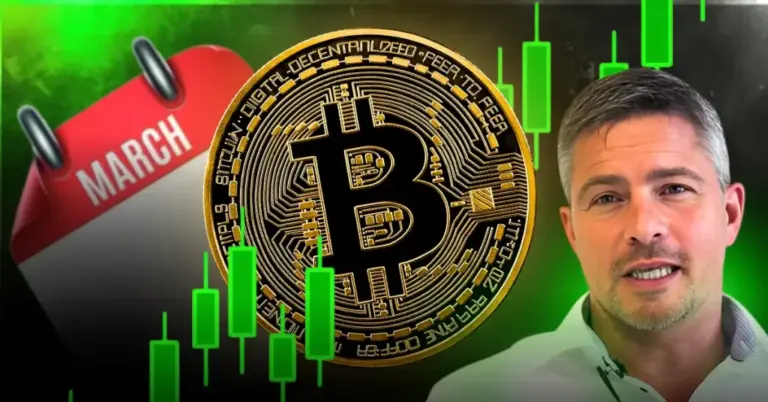
Bitcoin investors hoping for a quick recovery may need to be patient. That is the message from Katie Stockton, founder and managing partner of Fairlead Strategies, who appeared on CNBC’s Squawk Box this week.

Bitcoin Is Boring Right Now and That Is the Point

Stockton’s Bitcoin read was measured but clear. She sees the current price action as a prolonged basing phase with support sitting in the $58,000 to $59,000 range, and she expects multiple retests of that level before any sustained move higher becomes possible.

“It’s a cyclical downtrend and that’s the dominant feature on the chart right now,” she said. “I think we can assume there are going to be retests of support, maybe more than one.”

For crypto investors watching for a bottom signal, Stockton said the charts are not there yet. There are no oversold upturns, no breadth extremes and no sentiment readings that would typically confirm a durable low. Her advice was: do not chase brief relief rallies and wait for the weight of evidence before adding exposure aggressively.

At the time of writing, Bitcoin is trading near $70,000 and is up by more than 3% in the last 24 hours.

Why the Macro Picture Matters for Crypto

Bitcoin does not move in isolation and Stockton’s broader market outlook adds important context for crypto traders.

The S&P 500 recovery last week, which clawed back roughly 4% from recent lows, does not look sustainable in her view.  For risk assets including crypto, a continued equity correction and widening credit spreads create an unfavourable backdrop. Stockton added that even a ceasefire in the Strait of Hormuz may not be enough to fully reverse the damage already building in financial markets.

“I think it needs to be more than just reopening the Strait to fix the market at this point.”
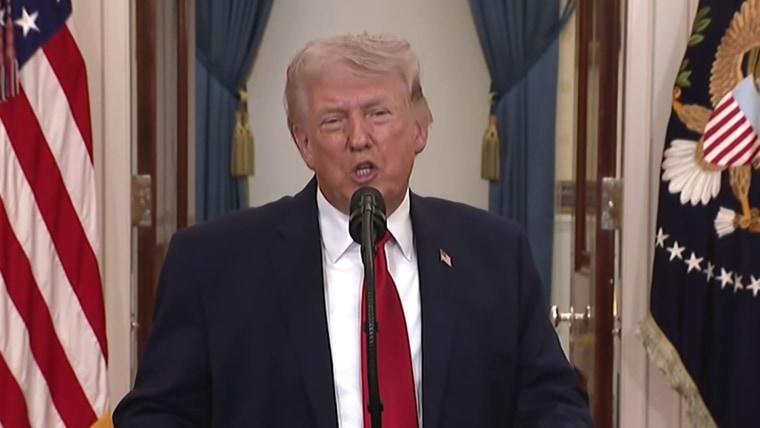
Oil prices surged Thursday, threatening to further drive up the price of gas as hopes for a near-term resolution to the Iran war faded following President Donald Trump’s address to the nation.

Stocks were volatile, with major indexes plunging early in the day before moving higher at the close on shifting headlines about the war in the Middle East.

U.S. indexes recovered their early losses on news that Iran’s deputy foreign minister said his country would outline a “new navigation regime” in the Strait of Hormuz after the war ended, injecting fresh optimism into markets over the future of the key waterway.

At the closing bell at 4 p.m. ET, the S&P 500 closed up 0.11%, the Nasdaq Composite ended higher by 0.18%, and the Dow Jones Industrial Average fell 61 points. The Russell 2000 index, which tracks smaller companies, rose 0.7%.

Tesla shares attempted a rebound on Monday but failed to sustain momentum after last week’s disappointing delivery report.

The stock was down around 2% at $353.41 in early trading.

The broader market showed modest strength, with the Nasdaq up 0.3%, while the Dow Jones Industrial Average was flat.

Tesla shares had already declined 5.4% on Thursday ahead of the holiday weekend, following the release of first-quarter delivery figures that fell short of expectations.

Delivery miss and inventory build

Tesla reported deliveries of 358,023 vehicles in the first quarter, below Wall Street expectations of about 366,000 units.

The company also produced roughly 50,000 more vehicles than it delivered.

The resulting inventory build has raised concerns about future pricing pressure and potential production adjustments.

JPMorgan analyst Ryan Brinkman highlighted the issue in a note, stating that the “record surge in unsold vehicles adds to free cash flow woes.”

He noted that inventory ties up cash until it is sold.

Tesla has historically generated free cash flow, but that trend may not continue in the near term.

The company is expected to see negative free cash flow this year as capital expenditure rises sharply.

Spending is projected to reach about $20 billion, up from $8.5 billion last year.

Much of this investment is directed toward artificial intelligence initiatives, including robotics and other emerging technologies.

JPMorgan flags downside risks

JPMorgan reiterated its underweight rating on Tesla and maintained a $145 price target, implying significant downside from recent levels.

“We … advise investors approach TSLA shares with a high degree of caution,” Brinkman said.

“Although both technology and execution risk seem substantially less than was once feared, expansion into higher volume segments with lower price points seems fraught with greater risk relative to demand, execution, and competition.”

The firm lowered its 2026 earnings per share estimate to $1.80 from $2, below consensus forecasts, after the delivery miss.

Brinkman added that while Tesla has a differentiated business model, strong product portfolio and leading technology, these positives are “more than offset by above-average execution risk, rising competition, growing controversy with regard to the brand, and valuation that seems to be pricing in a lot.”

Prolonged weakness in Tesla stock

Thursday’s decline marked Tesla’s seventh consecutive week of losses, with the stock falling about 14% over that period.

The downward trend began after the company reported better-than-expected fourth-quarter earnings in January.

Despite the strong results, the stock failed to gain traction, as investors looked for new catalysts.

Market participants are increasingly focused on Tesla’s AI-related opportunities, including autonomous vehicles and robotics, rather than near-term delivery performance.

Mixed analyst views persist

Not all analysts are equally cautious. Baird lowered its price target slightly to $538 from $548 while maintaining an Outperform rating.

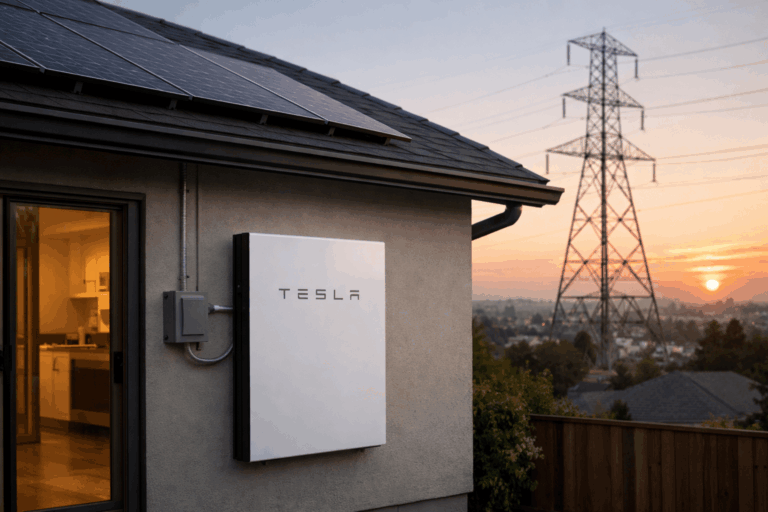
The firm said weaker energy deployment figures could weigh on the stock in the near term.

It also noted that investor discussions have shifted away from core automotive metrics toward energy and broader strategic initiatives.

The divergence in views reflects the current positioning of Tesla.

While long-term expectations remain tied to AI and new business lines, near-term pressures from deliveries, inventory, and cash flow continue to weigh on sentiment.

The post Tesla stock sinks 2% on Monday as analyst suggests caution appeared first on Invezz